What is a pest-free home?
A pest-free home is one where insects and rodents are not living, nesting, or regularly entering the structure. It doesn’t mean you’ll never see a bug again, but it means your home is protected so pests can’t establish themselves or cause damage.
In Central Iowa, especially in the spring, that protection starts before pests become a problem.
Why does this matter?
Spring is when pest activity ramps up fast. Ants start foraging, spiders become more visible, and rodents that stayed hidden over winter begin moving again.
For families with kids and pets, this creates two concerns at the same time:
- You want pests gone
- You want your home to stay safe
If pest control is done incorrectly, it can create unnecessary exposure risks. If it’s done correctly, it reduces both pest problems and risk inside your home.
How modern pest control actually works
I’ve been working in residential and commercial pest control across Central Iowa for years, and the biggest misconception I hear is that we “spray everything.”
That’s not how professional pest control is done today.
We use what’s called an integrated approach:
- Target the areas pests live and travel
- Use the minimum effective amount of product (as pests can build tolerances to over spray)
- Focus heavily on prevention, not just treatment
Step-by-step: What we actually do on a typical spring service
- Exterior inspection
We start by identifying where pests are likely to enter—foundation gaps, door thresholds, utility penetrations. - Perimeter treatment
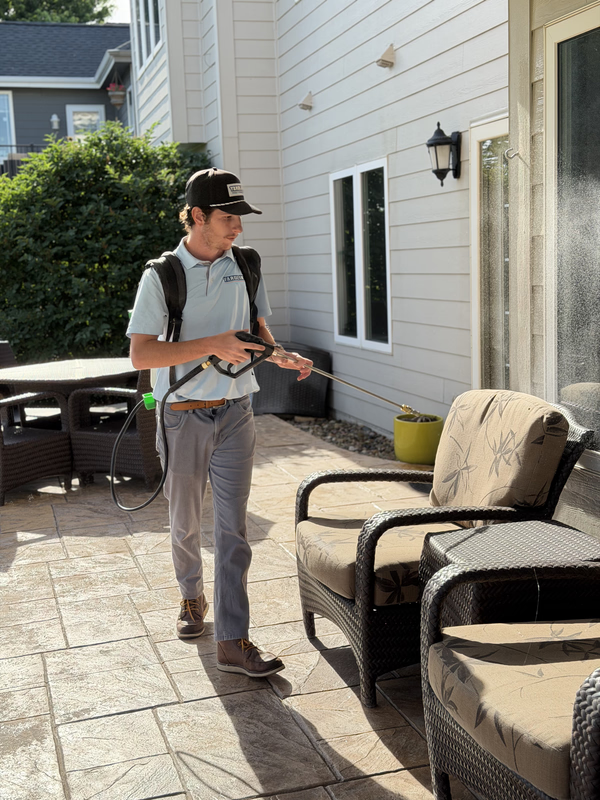
A controlled application is applied around the exterior foundation and entry points. This creates a barrier that stops pests before they get inside. - Targeted application (if needed)
Instead of treating entire surfaces, we focus on cracks, crevices, and known pest pathways. - Interior only when necessary
In most homes, especially when maintained regularly, interior treatments are minimal or not needed at all.
This approach is what keeps treatments effective while limiting exposure.
Are pest control products safe for kids and pets?
Yes—when applied correctly.
At Yardline Pest Control, the products we use are labeled for residential use and are safe for kids and pets once they are dry. That drying period is critical.
What “safe after drying” actually means
Most products are applied in a liquid form. While wet:
- They can transfer to hands, paws, or toys
Once dry:
- They bond to the surface
- They are no longer easily transferable
Practical rule for homeowners
- Wait about 1–2 hours before letting kids or pets back into treated areas
- In humid or cool spring weather, drying may take slightly longer
Once dry, normal activity is completely fine—kids can play, pets can roam, and daily routines continue.
Indoor vs. outdoor treatments
One of the biggest ways we improve safety is by keeping most treatments outside.
Why exterior treatments matter
In Central Iowa, nearly all common pests—ants, spiders, boxelder bugs—start outside. If you stop them at the perimeter:
- You reduce the need for interior chemicals
- You lower overall exposure
- You get longer-lasting control
When interior treatments are used
If we do need to treat inside:
- We clearly explain where and why
- We use precise, limited applications
- We give exact re-entry instructions
No guessing, no surprises.
Common Mistakes or Misconceptions
“More product means better results.”
It doesn’t. Overapplying product doesn’t improve control—it just increases unnecessary exposure.
“DIY sprays are just as safe.”
Many over-the-counter products are applied incorrectly or too heavily. We often see more risk from DIY misuse than from professional treatments.
“You have to treat the whole house inside.”
In most cases, you don’t. Exterior-focused programs are more effective and safer.
“If I see one bug, I need a full interior spray.”
Not always. One or two insects in spring can be normal. The goal is preventing infestation, not overreacting.
Expert Tips Based on Real Experience
After years of treating homes across Central Iowa, here’s what actually makes the biggest difference:
1. Start in early spring, not after you see pests
The first warm weeks are when colonies expand. Early treatment stops that cycle.
2. Keep a clean perimeter
Mulch, leaves, and clutter against the foundation create hiding spots for pests.
3. Seal simple entry points
Small gaps around doors and utility lines are some of the biggest problem areas I see.
4. Communicate special concerns
If you have fish tanks, reptiles, or sensitive pets, always mention it. It helps us adjust the plan.
5. Stick to a schedule
One treatment helps. Consistent service is what keeps homes pest-free long term.
FAQ: Straight answers homeowners ask
How long should my kids and pets stay out after treatment?
About 1–2 hours, or until the product is fully dry.
Will I smell anything or notice residue?
Most modern pest control products are low-odor and dry clear, so you typically won’t notice any residue after application. Some products may have a slight odor during the application process, but once they have dried, they are generally odorless.
Is pest control safe for babies or crawling children?
Yes, as long as proper dry time is followed and treatments are applied correctly.
Do you always need to spray inside?
No. Most of our spring treatments are focused on the exterior.
What if my pet licks treated areas?
Once dry, products are designed to not transfer easily. During application and drying, keep pets away as a precaution.
Final takeaway
Effective pest control and a safe home are not opposites—they go together when the job is done correctly.
In Central Iowa, spring is the most important time to get ahead of pest activity. With targeted treatments, proper application, and simple precautions like allowing for dry time, you can protect your home without putting your kids or pets at risk.
A good pest control program shouldn’t make you nervous. It should give you confidence that your home is protected and your family is safe.